For grown-ups and older teens
So you're a cat person getting a dog
Schedules, sniff walks and a lot of enthusiasm. Hosted by Moose, with Roxie.
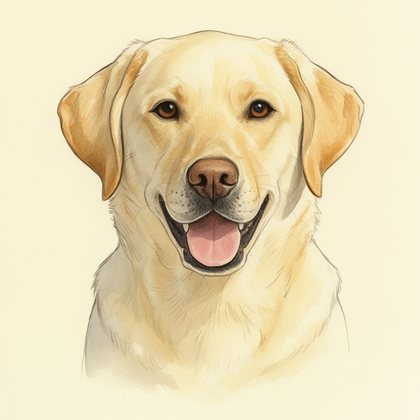
A dog runs on a clock you set. Plan bathroom trips after waking, eating, drinking and play; practise coming when called every day with a reward; build time alone up slowly; and let walks be about sniffing. Keep the world small for the first weeks. Your cat taught you patience and respect for a pet's choices. Keep both. Add a schedule.
Settling in takes longer than you'd think. Humane World for Animals uses a rule of thumb, three days, three weeks, three months, and says new owners can feel overwhelmed by behaviours like jumping and barking. (Humane World for Animals) Feeling overwhelmed in the first weeks is common among new adopters. Keep things simple, build a routine, and give you both time. If it feels like more than that, talk to someone you trust or your doctor.
What to do
- Set the bathroom clock.Out first thing, after meals, drinks, naps and play, and last thing at night. Reward outside, right away. For a puppy, steady progress can take several months. (AKC)
- Keep the world small.Same walks, same meal times, same bed, few visitors in the first weeks. (Humane World for Animals)
- Practise recall daily.Start somewhere boring and safe (indoors, a fenced yard, or on a long line), reward every return, and never scold a dog for coming back. (AKC)
- Let walks be reading.Sniffing is how a dog takes in the world. A slow, sniffy walk is exercise for the brain. (AKC)
- Build time alone gradually.Start with minutes. As a guide, adult dogs shouldn't be left for more than about four hours (RSPCA). Puppies need far less: they can hold it for about as many hours as they are months old (AKC). Never scold on your return; punishing after the fact makes anxiety worse (RSPCA).
- Dog-proof the floor.Shoes, socks, cords, bins, anything at nose height. Puppies want to bite and chew, so give them their own chew toys and teach them what's off limits. (AKC)
- Read your face.Dogs watch human faces closely. The "guilty look" is a reaction to your tone, so stay calm and reward what you want instead. (Horowitz, 2009)
- A safe resting place.A crate or a gated corner with a bed, introduced slowly and never forced. (AKC)
Growling, snapping, nonstop barking or howling when left, or a dog who won't eat: talk to your vet, then a qualified reward-based trainer or a veterinary behaviourist.
One thing we never repeat
And another
Sources: AKC · Humane World for Animals · RSPCA · Horowitz, 2009. Full list