Kids and the new dog
Type your pet's name on the map and every guide uses it.
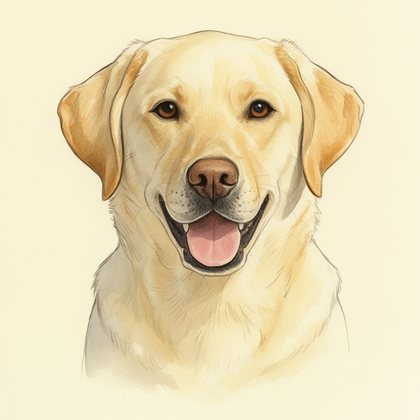
Keep a grown-up within arm's reach whenever children and your pet are together, even with a dog who is family. Let your pet come to the child, with no hugging, kissing or cornering. Leave a sleeping or eating dog alone, and treat turning away, stiffening or trying to leave as "stop". Give your pet a resting place children can't reach, and let a grown-up run the games.
About half of dog bite victims are children. That is why a grown-up watches closely, even with the family dog.
What to do
- Stay within arm's reach.A grown-up stays within arm's reach, and actively watches, whenever children and your pet are together, even with the family dog. A child is never left alone with the dog.
- Let the dog come to the child.Children sit low with their hands in their laps and let your pet come. No hugging, kissing, cornering, picking up or carrying. Children don't need a map of where to pet: a grown-up shows them when and where. Then two or three gentle strokes, a pause, and more only if your pet leans in again. Grown-ups: the chest, shoulder or side, not the head or face.
- Stop means stop.Turning away, stiffening or trying to leave means stop, so give space. Never touch a sleeping or eating dog. Our guide to reading your dog has more signs.
- Give your pet a place of their own.A quiet bed or crate, out of the children's reach, where your pet can rest and eat undisturbed. In one survey, many homes had no such spot.
- Let a grown-up run the games.Find-it and rolling a ball are good choices, with the grown-up placing the toy or treats. No keep-away, and no chasing the dog. End a game calmly if your pet goes stiff or over-excited.
- Share jobs by age.Toddlers can scoop dry food with help, elementary-age children can help feed by setting the bowl down and stepping back, and teens can walk the dog with a grown-up along while the dog is new. A grown-up models and supervises every job.
Your job
Pick a toy for the find-it game and hand it to a grown-up. Then stay where you are.
Did you know?A dog's eyes are extra good at spotting things that move.
Many new dogs want to be near the family without being touched. A dog who sniffs a child and walks away has finished a polite hello. A dog who goes to a rest spot should be left alone there.
If your pet growls, stiffens or snaps around children, give space and ask for help early: your vet first, then a reward-based trainer or a veterinary behaviorist. Asking early is what good owners do.
If your dog growls, stiffens or snaps around children, give space and call your vet first, then a reward-based trainer or a veterinary behaviorist.
Two things we never repeat
This moment is in our Welcome Home picture book
Our read-aloud book turns the first months into a story your child can follow. It is in the works. About the book
Sources: AVMA · Good News for Pets · Frontiers in Pediatrics · Fear Free (2) · Samaritan Health · AKC (2). Full list