Introducing a new dog to the dog or cat you already have
Type your pet's name on the map and every guide uses it.
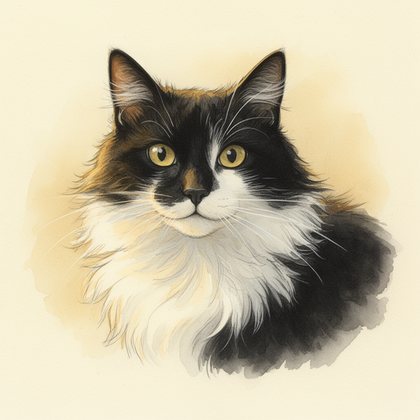
Slowly, and by smell first. The new dog and the pet at home swap blankets before they look at each other. Two dogs meet outside on neutral ground, one handler each, on loose leashes. A dog and a cat meet through a tall gate, in short sessions. The less comfortable animal sets the pace, and "roommates" is a good outcome. A resident dog and your new dog never meet face to face in the house on day one.
Go at the pace of the less comfortable animal. Management comes before friendship, and "roommates" is a good outcome.
What to do
- Smell first.Swap blankets or bedding between your new dog and the pet at home before either sees the other. Before your pet arrives, put away bowls, bones, toys and beds, anything a dog at home might not want to share.
- Dog and dog: meet outside.Walk to neutral ground separately, one handler for each dog, with leashes as slack as you can for the first greeting sniff. Then walk side by side. On day one they do not meet face to face inside the house.
- Dog and dog: stay apart for a while.Feed them separately. Leave them alone together only after at least one week with no tense moments, and some pairs need longer.
- Dog and cat: screen the dog first.Watch for stiffening, staring or fixating on the cat, or whining at the cat. Those are signs to stop the session.
- Dog and cat: gate and short sessions.First give the cat a room the dog cannot get into, and high places to watch from. Then use a tall gate the cat cannot pass, and keep looks short. A leash sometimes helps you move the dog away. Meet face to face only once the dog can ignore the cat. Never let the dog chase the cat.
- Go at the pace of the less comfortable animal.A dog and a cat can take hours to get used to each other, or months. If you do not trust the dog with the cat, keep them apart for good, especially when you are out. Some dogs are never safe with cats.
Your job
Pick a blanket and hand it to a grown-up, who swaps it. Then stay put.
Did you know?Dogs can wiggle each nostril all by itself! It helps them tell which way a smell is coming from.
Slow is normal. A dog who sniffs and then walks away, or looks at the other pet and then back at you, is doing well. Reward it.
Stop and get help if you see raised hackles, a hard stare, a growl or a snap. Any fight means separate them at once, call your vet if anyone is hurt, and then a reward-based trainer or a veterinary behaviorist.
Any fight means separate the pets at once, and call your vet if anyone is hurt. If you see raised hackles, a hard stare, a growl or a snap, stop and get help from a reward-based trainer or a veterinary behaviorist.
Two things we never repeat
This moment is in Spread 6 of our Welcome Home picture book
Our read-aloud book has a spread for meeting the pets of the house. It is in the works. About the book
Sources: ASPCA · Best Friends Animal Society · Maddie's Fund · VCA Animal Hospitals · Whole Dog Journal · PBS NOVA. Full list