The first night with a new dog
Type your pet's name on the map and every guide uses it.
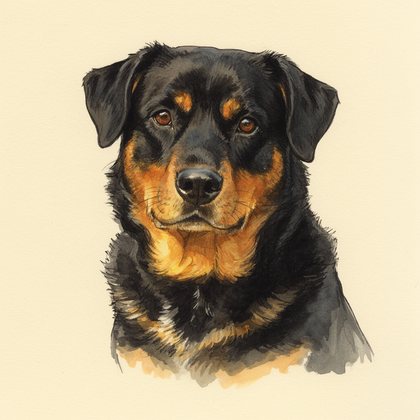
Keep the first night small, quiet and close. Bring your pet home in a secured crate or a harness clipped to a seatbelt, skip the welcome party, and set up one quiet room with a bed or crate near a person. Night trips outside stay boring and quiet. Sleeping close by helps your pet feel less alone; open the crate door only when your pet is quiet.
The first night is not a test. Nobody passes or fails it, and a rough night may not show the dog your pet will turn out to be. Don't judge a new dog's personality from the first days.
What to do
- Make the ride safe.Use a crate secured so it cannot slide, or a harness clipped to a secured seatbelt.
- Arrive calm and ordinary.No welcome party. Keep visitors few and visits short and calm at first. Baths and nail trims can wait too. Offer a short potty trip on leash before going inside, and keep the leash on until the door is shut.
- Set up one quiet room.A bed, or a covered crate with bedding, in a quiet spot with little foot traffic, plus water. A crate is big enough to stand and turn around in, with no room for a toilet corner, and your pet is never forced in. Add a blanket from your pet's first home if you have one.
- Sleep near a person.Put the bed or crate in your bedroom, or close by, so your pet is not isolated. Never use the crate as punishment, and don't expect it to ease a dog who panics when left alone.
- Keep night trips boring.A young puppy may need a trip outside in the night. Out, business, quiet praise, back to bed.
- Stay close, and keep crying calm.Try not to leave your pet home alone for the first 48 hours. If your pet cries at night, being close by can help, and open the crate door only when your pet is quiet. Never punish crying or accidents.
Your job
Wave a quiet hello from the doorway.
Free to print: Pet-proofing
Did you know?A young puppy sleeps most of the day and night, up to 20 hours! Sleep helps puppies grow.
Some new dogs don't eat much for the first day or two. Some crying on the first night can be normal. Still, a dog with ears pinned back, a tucked tail or a lot of white showing around the eyes is telling you it is a lot, so give more space.
If something worries you, ask for help early. Asking early is what good owners do.
A new dog who eats little for the first day or two can be normal. If anything about your new dog's health worries you, call your vet.
Two things we never repeat
This moment is in our Welcome Home picture book
Our read-aloud book turns the first days into a story your child can follow. It is in the works. About the book